Watch the video
Genesis of the Doar Ivri Series: A Symbolic Birth of a Nation
The establishment of the State of Israel in May 1948 was a watershed moment that demanded the immediate creation of national symbols to unify a diverse population. Among these symbols, postage stamps played a pivotal role as miniature emissaries of identity. The “Doar Ivri” series—translating literally as “Hebrew Post”—were Israel’s first definitive stamps, issued initially in 1948 and continuing through the 1950s. These stamps were not merely tools for postal communication but deliberate cultural artifacts designed to reclaim and affirm Jewish heritage through the visual language of Hebrew script and biblical motifs.

Hebrew Lettering: Revival of a Sacred Script in Everyday Use
One of the most striking features of the Doar Ivri stamps is the use of ancient Hebrew lettering. Prior to Israel’s founding, Hebrew was primarily a liturgical language, rarely used in secular daily life. The revival of Hebrew as a spoken and written language is one of the most remarkable linguistic achievements of the modern era, spearheaded by figures such as Eliezer Ben-Yehuda. The Doar Ivri stamps visually embodied this revival by featuring stylized Hebrew letters, which not only conveyed postal denominations but also served as proud symbols of national rebirth.
Each denomination was carefully designed using different Hebrew letterforms inspired by historical scripts, ranging from the square Aramaic script rooted in the Second Temple period to more ornamental calligraphy reminiscent of medieval Jewish manuscripts. This selection was intentional: it connected modern Israel to its biblical and diasporic past, casting the new state as the inheritor of an ancient tradition.
Biblical Motifs: Evoking Ancestral Narratives and Sacred Geography
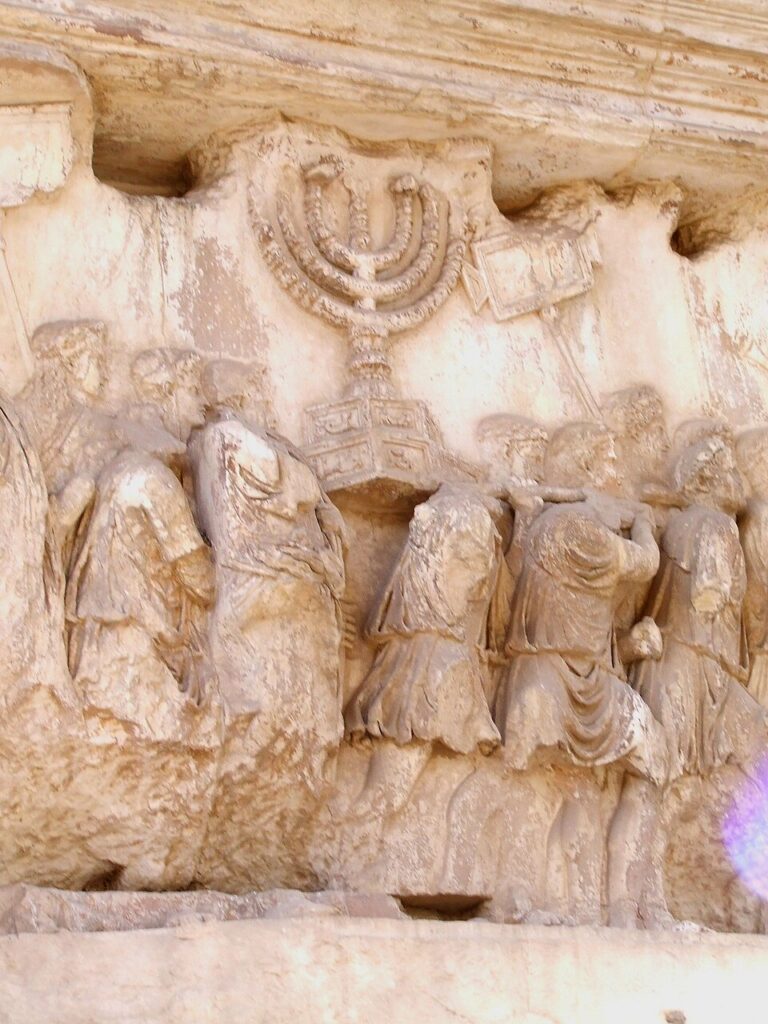
In addition to script, the Doar Ivri issues incorporated biblical imagery that resonated deeply with Jewish cultural memory. The stamps featured symbols such as the Menorah, the seven-branched candelabrum from the ancient Temple in Jerusalem, which had long been an emblem of Jewish endurance and spiritual continuity. Other motifs included depictions of ancient coins, olive branches, and architectural elements reminiscent of the First and Second Temples.
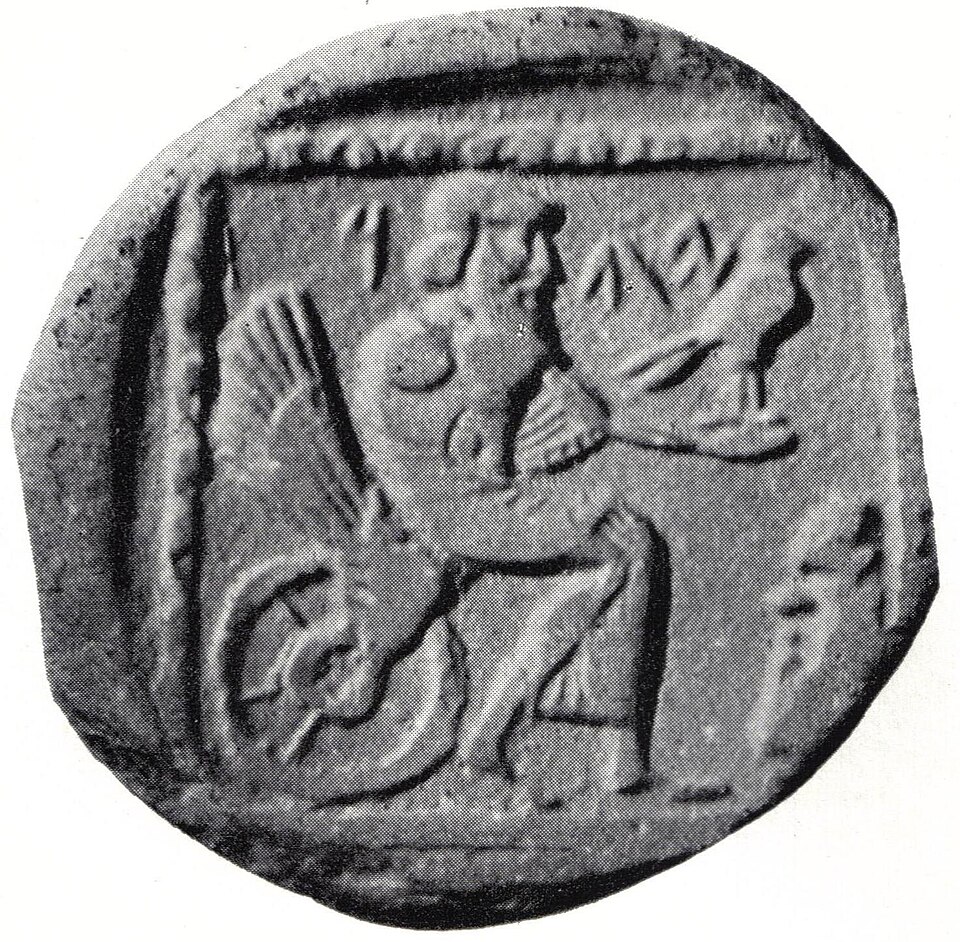
For example, the 5-mil stamp displayed an ancient coin bearing the inscription “Yehud,” a reference to the Persian province of Judea, connecting modern Israel to its territorial and historical roots. The use of olive branches symbolized peace, hope, and the land’s agricultural heritage, linking biblical promise with contemporary aspirations.
Anecdote: The Design Process and Artist Otte Wallish
Otte Wallish, an Austrian-born artist who immigrated to Israel in 1935, was instrumental in designing the Doar Ivri series. Wallish’s approach was scholarly and nationalistic, reflecting the Zionist ethos of the time. He studied ancient Hebrew inscriptions and archaeological finds to ensure authenticity in the stamps’ iconography. Wallish later recounted in an interview that the challenge was to create designs that were both historically accurate and accessible to a modern audience unfamiliar with ancient scripts.

Interestingly, Wallish insisted on using only Hebrew letters without Latin transliteration, a bold choice given the nascent state’s need to communicate internationally. This decision underscored the stamps’ role as tools of cultural reclamation rather than mere utilitarian objects.
Philatelic Impact and International Reception
When first issued, the Doar Ivri stamps attracted global attention. Collectors and postal authorities worldwide recognized these issues as emblematic of Israel’s unique identity and the historical significance of its founding. However, the exclusive use of Hebrew script initially caused some confusion in international mail processing, prompting Israel Postal Services to supplement the stamps with instructions and eventually bilingual labels on later issues.
For philatelists, the Doar Ivri series represents a cornerstone of modern postal history. Early printings are highly sought after, especially varieties with printing errors or unusual cancellations from the tumultuous early years of Israel’s statehood. The 50-mil blue Menorah stamp, for instance, is prized for its intricate design and historical resonance.
Anecdote: The 10-mil Blue Doar Ivri Stamp and Its Rarity
In 1951, a batch of the 10-mil blue Doar Ivri stamps was printed with a subtle misalignment in the Hebrew lettering, creating a shadow effect that was not corrected before distribution. This variant became a coveted rarity after a few sheets were discovered in a Jerusalem post office decades later. The find sparked excitement among collectors and underscored the layers of historical intrigue embedded in these small artifacts.
Practical Tips for Collectors Interested in Doar Ivri Stamps
- Authentication: Due to their high value, many Doar Ivri stamps have been forged. Seek expert certification from recognized philatelic societies specializing in Israeli issues.
- Condition Matters: Early postmarks from cities like Tel Aviv, Jerusalem, and Haifa add historical interest. Stamps with clean margins and vibrant colors command higher prices.
- Understand Variants: Familiarize yourself with print runs, paper types, and perforation differences. For example, some stamps were printed on thin paper during resource shortages, affecting their durability.
- Explore Postal History: Collect covers bearing Doar Ivri stamps with postal cancellations from significant 1948–1955 events, such as the first airmail flights or post-war mail routes, to contextualize the stamps historically.
Visual Summary — Article in Motion
Legacy of the Doar Ivri Issues in Israeli Culture and Philately
More than seven decades since their release, the Doar Ivri issues remain potent symbols of Israel’s cultural renaissance. They represent the conscious effort to revive Hebrew not only as a spoken language but as a national icon visible on everyday objects. The stamps’ biblical motifs continue to inspire modern Israeli stamp designs, maintaining a dialogue between past and present.
For historians and philatelists alike, the Doar Ivri series offers a unique lens into Israel’s early years—its hopes, struggles, and identity aspirations. These stamps are miniature narratives that tell the story of a people reclaiming their heritage through art, language, and symbolism.
Anecdote: Collecting Doar Ivri Stamps as a Family Legacy
In 2018, an Israeli family in Jerusalem discovered a collection of Doar Ivri stamps belonging to their grandfather, who had been a postal clerk during the 1950s. The collection included rare first-day covers and correspondence linked to pivotal moments in Israel’s history. This discovery inspired the family to donate the collection to the Israel Museum, where it now serves as a tangible connection to the nation’s formative years and a testament to the personal histories intertwined with postal artifacts.