Watch the video
The Historical Context of the 1976 U.S. Bicentennial Stamp Series
In 1976, the United States celebrated its 200th anniversary[1] of independence, a milestone that invited deep reflection on national identity and historical memory. The United States Postal Service (USPS) played a central role in this commemoration by issuing a series of postage stamps that sought to visualize the American story. Far from mere functional objects, these stamps offered a compelling visual narrative that both reflected and shaped evolving understandings of American history and identity during a complex era marked by social change and political reflection.
Design and Themes: Crafting a Visual Narrative of America
The 1976 Bicentennial stamp series was extensive, comprising dozens of issues that collectively traced the nation’s journey from its colonial origins through to contemporary times. The USPS deliberately chose themes that emphasized foundational moments, iconic symbols, and the diversity of the American experience.
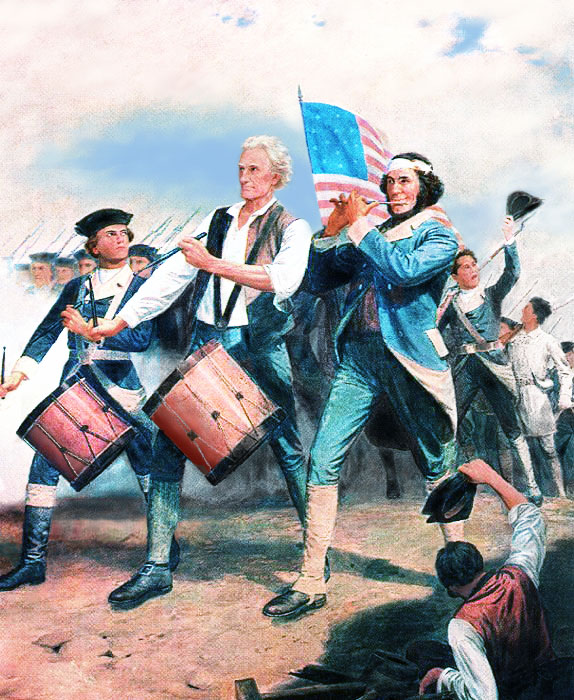
Among the most iconic of these was the “Spirit of ’76” stamp, which featured a reproduction of Archibald MacNeal Willard’s famous painting[2] depicting Revolutionary War drummers and fife players. This image resonated strongly as a symbol of patriotism and the struggle for liberty.
Other stamps highlighted significant milestones such as the signing of the Declaration of Independence, the voyage of the Mayflower, and the frontier spirit embodied in the westward expansion. The series also included stamps recognizing the contributions of Native Americans and African Americans, acknowledging their integral roles in the nation’s history.
Anecdote: The Creation of the “Spirit of ’76” Stamp
The “Spirit of ’76” stamp’s design process was as storied as the image itself. The USPS commissioned artist Lester Beall to adapt Willard’s large-scale painting into a miniature format suitable for postage. This adaptation required not only artistic skill but also a nuanced understanding of the painting’s symbolism and emotional resonance. Beall’s work succeeded in capturing the energy and patriotism while ensuring clarity and impact at stamp size, illustrating how philatelic art demands both creativity and technical precision.

Reflecting Evolving National Narratives and Historical Memory
The 1976 Bicentennial stamp series came at a time when American society was actively reassessing its history. The Vietnam War had ended just a year earlier, and the civil rights movement had brought issues of racial equality to the forefront. These social currents influenced the USPS’s approach to representing American identity on stamps.
For example, the inclusion of stamps honoring diverse cultural contributions marked a departure from earlier, more homogenized portrayals of American history. The “Black Heritage” stamps, which initially began in 1978 but had precursors in the bicentennial era, underscored this shift toward inclusivity. The bicentennial stamps laid groundwork by featuring figures such as Crispus Attucks, regarded as the first casualty of the American Revolution and a symbol of African American patriotism.
Practical Tip for Collectors: Identifying Bicentennial Varieties
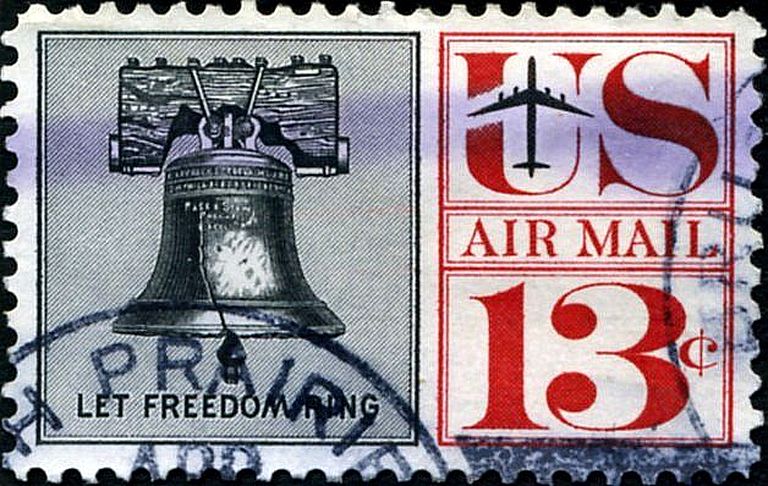
Collectors interested in the 1976 Bicentennial series should be aware of several print varieties and errors that can add value and interest to their collections[3]. For instance, some early print runs of the “Liberty Bell” stamps exhibited color shifts and registration issues. Consulting specialized philatelic catalogs such as the Scott Specialized Catalogue of United States Stamps & Covers can provide essential details. Furthermore, pairing the stamps with first-day covers from the 1976 postmark locations—often significant historical sites—enhances both the historical and monetary value of a collection.
The Bicentennial Stamps as Cultural Artifacts: Beyond Postal Utility
The stamps issued for the bicentennial did more than facilitate mail delivery; they functioned as miniature ambassadors of American culture and history. Their widespread circulation meant that millions of Americans engaged with these images regularly, reinforcing shared narratives and fostering a sense of unity during a time of lingering social divisions.
Moreover, the bicentennial series inspired subsequent commemorative issues, establishing a model for how postage stamps could serve as vehicles for public history and collective memory. The USPS’s conscious effort to balance traditional patriotic imagery with emerging narratives contributed to a richer, more complex portrayal of American identity.
Anecdote: The 13 Cent Flag Forever Stamp’s Legacy
While the Bicentennial series predominantly used standard denominations, the 13-cent flag stamp issued in 1975, just before the bicentennial year[4], is often associated with the spirit of the era. Designed by illustrator Norman Rockwell, the stamp featured the American flag waving proudly and became a beloved symbol of patriotism. Rockwell’s involvement connected the bicentennial commemorations to the broader tradition of American visual art, underscoring the interplay between philately and national culture.

How the Bicentennial Stamp Series Continues to Influence Collectors and Historians
Today, the 1976 Bicentennial stamp series remains a sought-after collection for philatelists and historians alike. For collectors, these stamps offer a window into mid-20th-century graphic design, printing technology, and the socio-political climate of the United States during the 1970s. For scholars, they represent tangible evidence of how national identity is constructed and communicated through everyday objects.
Enthusiasts often organize exhibitions and write extensively on the bicentennial series, emphasizing the importance of preserving these stamps as cultural heritage. Acquiring original first-day covers, limited editions, and artist proofs can deepen appreciation for the craftsmanship and historical significance embedded in these artifacts.
Practical Tip for Preservation
Given the age of these stamps, proper preservation is crucial. Collectors should store bicentennial stamps in acid-free albums, away from direct sunlight and humidity, to prevent fading and deterioration. Utilizing archival-quality mounts instead of adhesives ensures the stamps remain intact and maintain their value over time.
Conclusion
The 1976 U.S. Bicentennial Stamp Series stands as a remarkable instance of how postage stamps can serve as intimate visual narratives that reflect and shape a nation’s identity. Through its thoughtful designs and inclusive themes, the series captured the complexity of American history at a pivotal moment, weaving together tradition and progress. For philatelists, historians, and cultural enthusiasts, these stamps offer enduring insight into how America saw itself—and wished to be seen—during its bicentennial celebration.
Visual Summary — Article in Motion
References
- United States Postal Service, "The 1976 Bicentennial Stamp Series," USPS Historical Archives, 1976 https://about.usps.com/who-we-are/postal-history/1976-bicentennial.htm
- Smithsonian National Postal Museum, "Spirit of '76 Stamp," Smithsonian Institution, 2020 https://postalmuseum.si.edu/exhibition/spirit-of-76
- Scott Specialized Catalogue of United States Stamps & Covers, 2023 Edition
- Norman Rockwell Museum, "The 13 Cent Flag Stamp," 1975 https://www.nrm.org/collection/american-icons/13-cent-flag-stamp/