Watch the video
The Berlin Wall as a Symbol in Cold War Philately
The Berlin Wall, erected in 1961 and standing until 1989, remains one of the most potent symbols of Cold War divisions. More than a physical barrier, it represented ideological, political, and social rifts between East and West Germany. Stamps issued by both German states provide a unique lens through which to explore these contrasting narratives. Through their design, iconography, and messaging, East and West German postage stamps served as powerful propaganda tools and cultural reflections, capturing the tension, hope, and eventual reunification that defined the era.
East German Stamps: The Wall as a Protective and Socialist Emblem
The German Democratic Republic (GDR) utilized stamps to project the Berlin Wall as a necessary defense against Western aggression and capitalist encroachment. East German philately often emphasized the Wall’s role in safeguarding socialism and the working class. The artistic style reflected socialist realism, with bold, clear imagery and optimistic slogans.
One notable example is the 1962 stamp issue commemorating the Wall’s construction. It displayed a stark depiction of the Wall itself, accompanied by the slogan “Schutz der Arbeiterklasse” (Protection of the Working Class). This issue was not just a postal item but a political statement reinforcing the GDR’s narrative of the Wall as a bulwark against ‘fascist’ West Germany and Western imperialism.
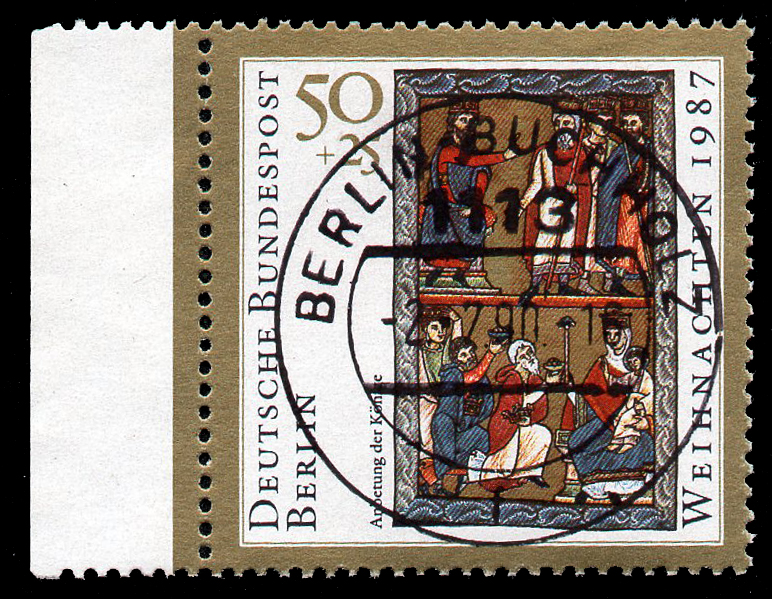
East German stamps also celebrated the ‘anti-fascist’ character of the Wall. The 1971 series marking the 10th anniversary of the Wall’s erection included imagery portraying happy, productive socialist citizens on the East side, contrasting with shadowy, chaotic depictions of capitalist West Berlin. These stamps were widely distributed domestically and internationally, aiming to legitimize the GDR’s political stance and discourage defection.
Anecdote: The 1987 Stamp Controversy
In 1987, the GDR issued a stamp marking the 750th anniversary of Berlin. The design featured the Brandenburg Gate, a potent symbol since it straddled the Wall’s divide. However, East German authorities deliberately omitted the gate’s actual location in West Berlin from the map depicted on the stamp. This omission sparked debate among philatelists and historians, highlighting how even subtle design choices on stamps could reflect deep political sensitivities regarding the Wall and the city’s division.
West German Stamps: The Wall as a Symbol of Oppression and Hope
In stark contrast, the Federal Republic of Germany (FRG) portrayed the Berlin Wall as a symbol of communist oppression and the denial of freedom. West German stamps and postal propaganda emphasized themes of division, human rights, and the yearning for reunification. The Wall was depicted as a grim, harsh structure that cut families and communities apart.
The iconic 1963 West German stamp series titled “Freedom for Berlin” used stark black-and-white imagery of the Wall with barbed wire and watchtowers, underscoring the message of imprisonment and lack of liberty under communist rule. Accompanying slogans such as “Freiheit für Berlin” (Freedom for Berlin) made the political stance clear to both domestic and international audiences.
West German stamps also highlighted individual stories of escape attempts and resistance. One poignant example is the 1966 stamp commemorating Günter Litfin, the first known victim shot while trying to flee East Berlin across the Wall. The stamp featured his portrait alongside a broken chain, symbolizing the struggle for freedom and human rights. This personalized approach brought the political conflict into intimate focus for stamp collectors and the general public alike.
Anecdote: The 1989 Stamp and the Fall of the Wall
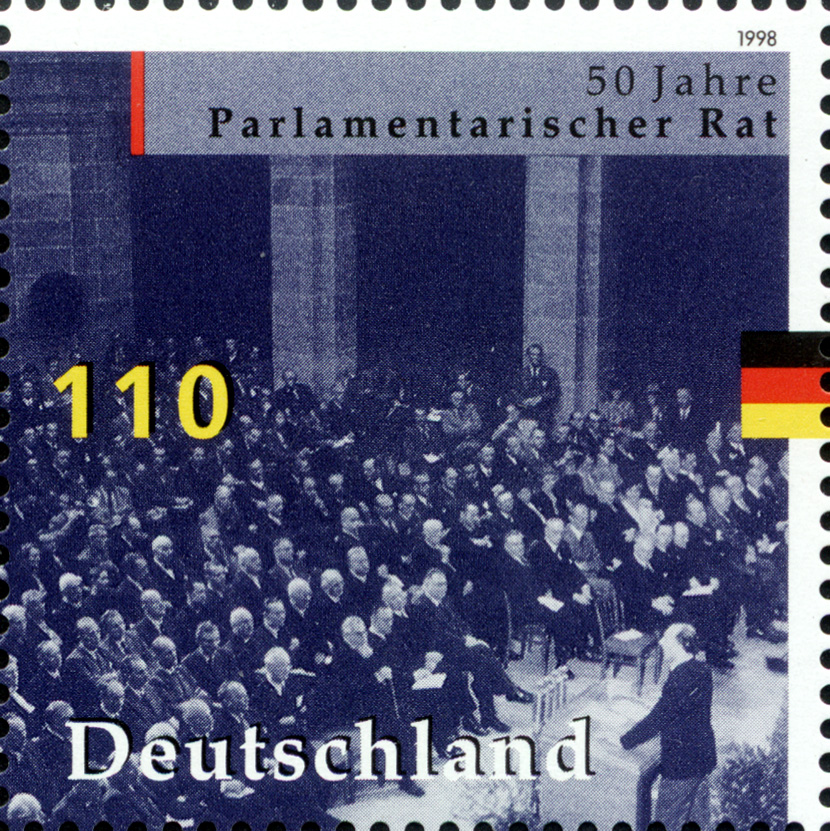
As the Cold War thawed and the Wall’s fall became imminent, West Germany issued a special stamp on November 10, 1989, the day after the Wall opened. The stamp depicted jubilant Berliners scaling the Wall and celebrating, capturing the historic moment of liberation. This stamp became a highly sought-after collector’s item, embodying the hopes and triumphs of reunification. It was a vivid example of how philately can document history in real time.
Comparative Iconography and Messaging
Analyzing East and West German stamps side-by-side reveals not only political propaganda but also deep cultural differences in how each side viewed the Wall and its meaning. East German stamps emphasized unity under socialism, portraying the Wall as a protective shield, while West German issues highlighted separation, oppression, and the human cost of division.
- Color schemes: East German stamps favored bright reds, yellows, and bold colors associated with socialist optimism; West German stamps often used somber grays, blacks, and reds to convey urgency and struggle.
- Imagery: East German designs featured workers, construction, and socialist symbols; West German stamps incorporated broken chains, watchtowers, and imagery of escape and resistance.
- Slogans and text: East German stamps included phrases like “Protect the Socialist State,” whereas West German stamps used “Freedom for Berlin” and “Human Rights.”
These differences illustrate how stamps functioned as miniature canvases reflecting and reinforcing divergent narratives in a divided city.
Practical Tips for Collectors Exploring Berlin Wall Stamps
For philatelists interested in Cold War history and the Berlin Wall, collecting stamps from both East and West Germany offers a fascinating study in contrast and political storytelling. Here are some practical recommendations:
- Focus on key issues: Start with landmark stamp issues such as East Germany’s 1962 Wall construction stamps and West Germany’s 1963 “Freedom for Berlin” series.
- Look for commemoratives: Anniversary stamps from 1971 (East Germany) and 1989 (West Germany) capture shifts in political climate and public sentiment.
- Verify authenticity: Cold War-era stamps, especially those with political significance, have been widely forged. Consult specialized catalogs like Michel or Scott and seek expert authentication.
- Explore postal history: Collect covers and postmarks from Berlin during the 1961–1989 period to gain context on how mail traveled in a divided city.
- Engage with philatelic communities: Join forums and clubs focused on German stamps or Cold War philately to share knowledge and discover rarities.
Visual Summary — Article in Motion
The Berlin Wall’s Legacy in Philately and Cultural Memory
Stamps issued during the era of the Berlin Wall provide an unparalleled visual archive of Cold War tensions and the contrasting worldviews of East and West Germany. Beyond their postal function, they serve as artifacts of cultural memory, political propaganda, and artistic expression. Today, these stamps are prized by collectors not only for their historical value but also for their ability to tell complex stories of division, resilience, and ultimately, reunification.
As the Berlin Wall’s physical remnants fade, its depiction on stamps ensures that future generations can reflect on this pivotal period through intimate and accessible visual narratives. Philately thus remains a vital medium through which history is preserved, interpreted, and remembered.